
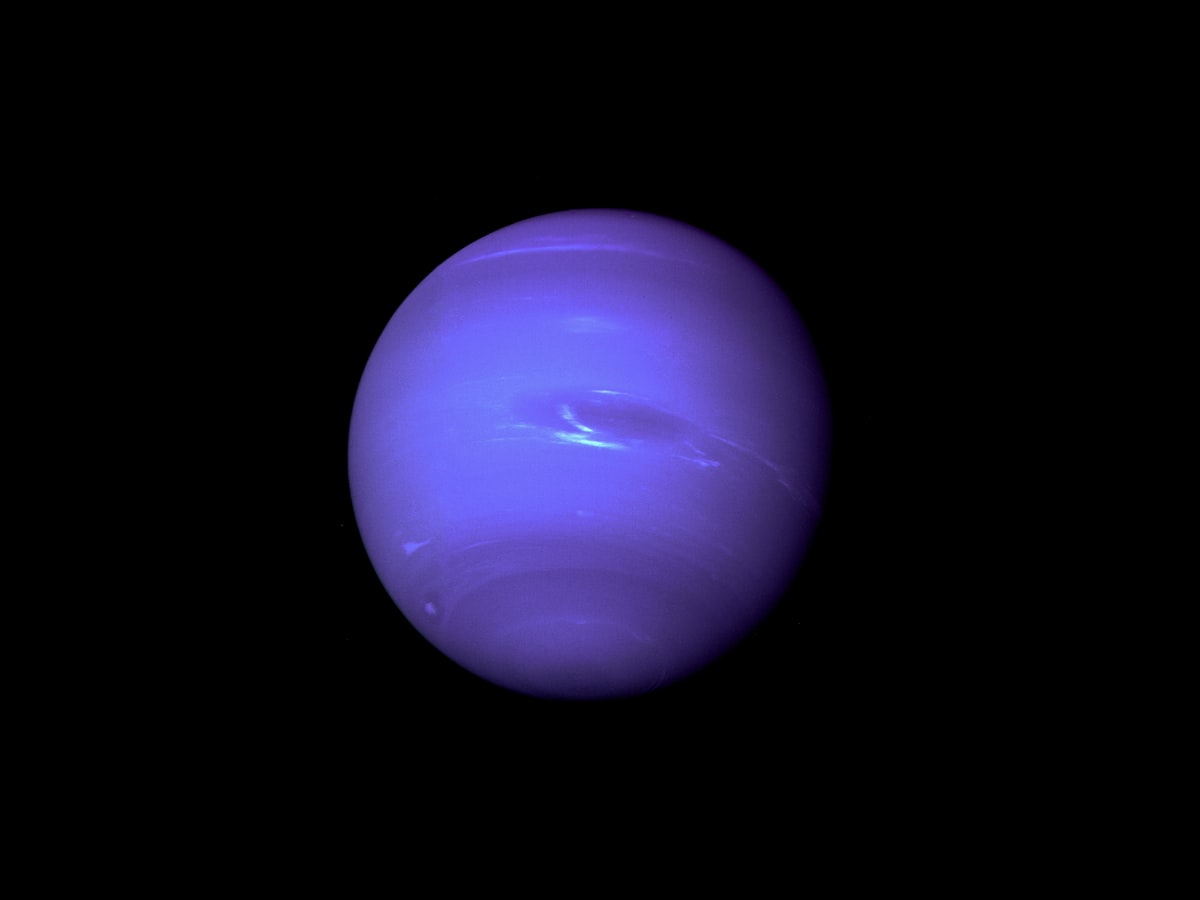
WASP-76b Iron Rain: 1 Shocking NASA Cosmic Discovery 🪐
1. Introduction to the Scorching Deep Space Metal Inferno
The cosmic discovery of the **wasp-76b iron rain** phenomenon has completely shattered everything we previously understood about planetary weather systems. For generations, humanity assumed that rain was a delicate process involving water molecules, condensation cycles, and soft clouds floating peacefully over earth.
However, advanced space observation systems like NASA’s deep space instruments targeted distant regions. They stumbled upon a hostile planetary environment that completely defies basic chemistry. Located roughly 640 light-years away in the Pisces constellation, this world represents an extreme category known as an ultra-hot Jupiter where the unique **wasp-76b iron rain** framework takes place.
To understand the deeper environmental layout of these massive deep space discoveries, you can explore the highly detailed analysis available on the homepage layout of Real Vala Facts. This comprehensive scientific background helps reveal the specific mechanics of extreme gas giants and how they develop atmospheres entirely made of dense minerals.
Astronomers classify this outer space anomaly as an exceptional object of thermodynamic study. When planets orbit so close to their host stars, their physical properties undergo extreme structural warping. This warp creates heavy physical alterations that completely change how molecular bonds function in deep space environments.
Artist conceptualization of an ultra-hot Jupiter planet drifting close to its bright parent star.
🪐 Detailed Quick Navigation Guide
- 1. Introduction to the Scorching Deep Space Metal Inferno
- 2. The Physics of Tidally Locked Worlds and Thermal Extremes
- 3. Why Exoplanet WASP-76b Instantly Vaporizes Hard Metal
- 4. The Nightmare Transition to Extreme Molten Nightside Weather
- 5. Atmospheric Spectroscopy and Complex Chemical Elements
- 6. Deep Cosmic Comparison: Terrifying Exoplanets vs Safe Earth
- 7. Frequently Asked Questions (FAQs)
2. The Physics of Tidally Locked Worlds and Thermal Extremes
The underlying reason behind the horrifying climate of **wasp-76b iron rain** patterns lies in a gravitational phenomenon known to astronomers as tidal locking. Because this exoplanet is caught in a tight gravitational embrace, its rotational timeline matches its orbital period down to the second.
This creates a permanent environmental divide across the hemispheres. One side of the planet is trapped in a permanent, blinding day, continually absorbing relentless waves of solar radiation. Meanwhile, the opposite face is cast into a permanent, pitch-black night pointing directly toward deep space.
The dayside is blasted with so much energetic friction that its local temperature climbs to a hellish 2400°C. This unique environment serves as a volatile baseline where regular elemental properties break down completely. Matter behaves in ways that are entirely impossible under regular conditions, giving rise to the constant **wasp-76b iron rain** cycle.
Astrophysicists point out that this immense heat profile creates a massive dynamic pressure gap between the two sides. The hot air constantly seeks a way to escape toward the darker, colder side, generating high-velocity environmental patterns that loop continuously around the planet’s core structure.
This intense atmospheric pressure creates a perpetual storm engine along the terminator line. The terminator line is the narrow boundary area separating the blinding daytime heat from the freezing nocturnal void. Along this corridor, winds hit unimaginable speeds, acting as a conveyor belt for superheated planetary elements.
3. Why Exoplanet WASP-76b Instantly Vaporizes Hard Metal
On Earth, iron is a solid foundation of human industrial construction. It takes complex blast furnaces operating at extreme fuel configurations to melt solid iron. However, on the dayside of this world, the atmospheric thermal conditions are fiercely energetic.
The extreme temperatures cause molecular structures to separate completely. This forces solid metal to instantly vaporize into a transparent, ultra-hot airborne gas. This gaseous structure enters the upper cloud deck, mixing with heated hydrogen molecules across thousands of miles to create swirling invisible metallic vortexes that trigger the ultimate **wasp-76b iron rain** storm tracking systems.
This unprecedented state of matter sets the stage for a deadly chemical loop. The heavy elemental haze directly fuels the shocking **wasp-76b iron rain** dynamics that dominate the terminal boundary lines of the exoplanet, setting a barrier where basic chemistry changes its rules entirely.
Because the local gravity field cannot keep these highly energized metal molecules trapped near the rocky core, they remain suspended in the high-altitude cloud decks. They move like heavy oceanic waves, completely filling the upper sky blocks with dense metallic molecules waiting for a sudden drop in thermal dynamics.
The sheer density of these vaporized clouds alters the planet’s albedo and reflection profile. Light entering this environment gets trapped in an intense thermal greenhouse block, pushing the day side into a perpetual state of hyper-thermal expansion that stretches the outer layers of the gas giant far out into space.

Advanced spectroscopic imaging systems identifying elemental signatures in deep cosmic space fields.
4. The Nightmare Transition to Extreme Molten Nightside Weather
The real nightmare begins when planetary physics tries to balance out the severe temperature differences. Because the nightside faces away from the star, its local temperature drops down significantly to around 1500°C. This relative cooling creates massive atmospheric wind currents that act as cosmic tunnels for the **wasp-76b iron rain** mechanisms.
These violent wind currents carry the massive sheets of gaseous iron vapor straight across the terminator line at supersonic velocities. As the vapor enters the cooler zone of the dark hemisphere, it experiences a sudden thermal collapse. This environmental shift triggers an unrelenting **wasp-76b iron rain** storm.
Liquid metal droplets pour down directly out of the pitch-black sky. The continuous cycle of falling liquid iron would instantly dissolve any human mechanical probe attempting to cross the upper atmospheric cloud blocks, making it a pure planetary trap for any physical matter.
Once the molten drops fall into the deeper, higher-pressure layers of the planet, they heat up again and convert back into gaseous forms. This creates an eternal, terrifying loop where metal cycles from gas to liquid and back to gas, ensuring the severe **wasp-76b iron rain** storm never truly ends or calms down.
This structural movement sets up localized weather systems that are entirely unique to ultra-hot Jupiters. The constant transition of heavy metals moving from gas phases directly into concentrated liquid streams causes massive electrical imbalances, generating colossal static discharges and planetary lightning across the dark sky blocks.
5. Atmospheric Spectroscopy and Complex Chemical Elements
Astronomers verified these incredible weather patterns by using high-resolution transmission spectroscopy. By utilizing the ESPRESSO instrument attached to the Very Large Telescope, researchers monitored the exact starlight filtering through the edges of the planet’s atmosphere as it made its transit.
Every chemical element leaves behind a unique light signature that computers can translate from trillions of miles away. When the data sets were analyzed, scientists noticed a strong absorption line for gaseous iron right at the boundary leading into the nightside zone where the **wasp-76b iron rain** droplets condense.
This confirmed that the iron was dropping out of the air as liquid precipitation, giving absolute proof of the chaotic **wasp-76b iron rain** cycle. Additionally, newer data sets imply the presence of elements like calcium, lithium, and barium floating within the lower planetary cloud structures.
The presence of these diverse metallic components shows that extreme exoplanets are far more complex than simple hydrogen gas blocks. Each unique layer of the cloud structure holds a deep combination of mineral elements that interact under intense gravitational forces, creating an entirely new branch of planetary science.
As spectrographic systems get updated worldwide, the data filtering through shows even more intricate details. The absorption depths suggest that these metallic clouds don’t remain at one layer, but drift dynamically across vertical pressure columns, creating complex mineral strata within the planet’s upper envelope.
6. Deep Cosmic Comparison: Terrifying Exoplanets vs Safe Earth
Studying the unyielding conditions of extreme worlds forces humanity to look at Earth with profound gratitude. On Earth, our atmosphere behaves with absolute harmony. The moisture cycles give us life-supporting freshwater, keeping our global ecosystem functioning in complete safety and peace.
The contrast highlights how rare our peaceful habitability zone truly is. As space telescopes map out distant gas giants drifting through the cosmic ocean, they remind us that the deep universe is filled with highly hostile environments that reject life at every atomic level.
These discoveries serve as an amazing educational baseline. They push human curiosity to broaden its horizons while teaching us to preserve the rare, gentle blue sky of our home planet and appreciate the total lack of deadly **wasp-76b iron rain** threats in our local solar neighborhood.
Understanding these cosmic extremes allows researchers to better define what makes a planet safe for organic biology. By comparing these metal-melting landscapes with Earth’s unique oxygen-nitrogen shield, we can better identify habitable goldilocks systems in future observation projects without any dangerous **wasp-76b iron rain** environments.
The survival of complex organic life requires narrow structural baselines that are easily destroyed by extreme gravitational or thermal spikes. By cataloging these deep space anomalies, scientists can build highly advanced predictive models to narrow down the search for true Earth twins across neighboring constellations.
Frequently Asked Questions (FAQs)
Is the iron rain on WASP-76b actually solid or liquid?
The iron rain falls as highly heated liquid droplets because the nightside temperature remains around 1500°C, keeping the metal molten.
Can a spaceship survive passing through WASP-76b’s atmosphere?
No, current human technology would fail instantly under the 2400°C radiation and molten metal storms.
How far away is this planet from Earth?
The extreme environment of the wasp-76b iron rain cycle is located approximately 640 light-years away from Earth.
What instrument discovered this unique space weather?
The ESPRESSO spectrograph, attached to the Very Large Telescope, was the primary device that mapped the shifting iron lines in the planet’s atmospheric shadow blocks.
What is the mass of this extreme gas giant world?
WASP-76b has a physical mass similar to Jupiter, but its atmospheric volume is nearly double due to intense thermal expansion caused by radiation from its local host star.
7. Conclusion: Expanding Human Horizons Through Cosmic Wonders
Ultimately, whether this planet represents a warning or stands as a thermodynamic anomaly, it has pushed modern astronomy into a brand new era of cosmic research. It proves that the universe contains endless mysteries, and the **wasp-76b iron rain** discovery shows that the truth out there is both beautiful and terrifying.
Fascinated by the extreme exoplanets in our galaxy? Subscribe to our official YouTube Channel Real Vala Facts for premium video documentaries! 🪐🛰️