
PSR B1257 12 Zombie Planet: NASA Ghost World 🪐
1. Introduction to the Relentless Undead Pulsar System
The cosmic tracking of the **psr b1257 12 zombie planet** network represents a profound milestone in modern deep space observation. The shocking scientific realization of the **psr b1257 12 zombie planet** cosmic framework has completely transformed everything humanity understood about the cosmic graveyard drifting across the vast universe. For generations, traditional space research groups assumed that planets could only survive orbiting bright, active, living stars that emitted steady loops of light.
However, advanced space observation systems like NASA’s deep space instruments targeted distant regions. They stumbled upon a hostile planetary environment that completely defies basic chemistry. Located roughly 2300 light-years away in the Virgo constellation, this world represents an extreme category known as an undead space structure where the unique **psr b1257 12 zombie planet** framework takes place.
To explore the deeper layout of these massive galactic structures, you can check out the highly informative details updated regularly on the official homepage layout of Real Vala Facts. This comprehensive scientific background provides users with a distinct perspective on how mineral blocks remain suspended in deep radiation fields.
When a giant host star runs out of traditional nuclear elements, it undergoes a devastating cosmic collapse that strips neighboring space arrays clean. Yet, the persistent survival of the **psr b1257 12 zombie planet** configuration proves that structural matter can adapt to environments that are completely hostile to human tracking probes.

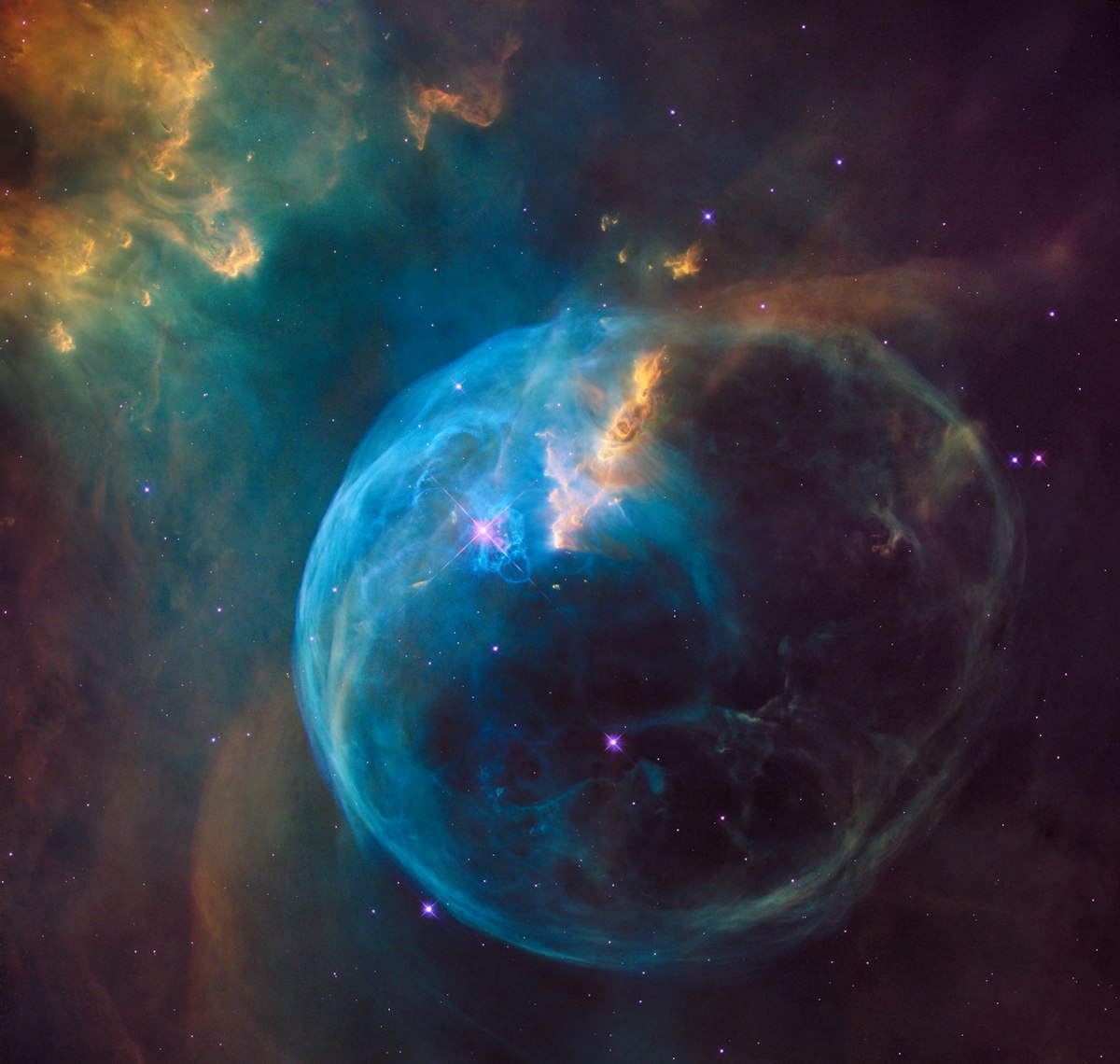
A dramatic high-definition visualization of stellar radiation flares bursting out from a dense collapsed pulsar core into deep space sectors.
🪐 Detailed Quick Navigation Guide
- 1. Introduction to the Relentless Undead Pulsar System
- 2. The Brutal Mechanics of Dead Neutron Pulsar Stars
- 3. Why This Haunting Space Rock is Called an Active Ghost World
- 4. The Nightmare Radiation Environment Grinding the Surface Elements
- 5. Modern Spectroscopic Tracking Confirming Undead Physics
- 6. Deep Cosmic Comparison: Hellish Zombie Systems vs Living Earth
- 7. Frequently Asked Questions (FAQs)
2. The Brutal Mechanics of Dead Neutron Pulsar Stars
To truly comprehend the structural layout of the **psr b1257 12 zombie planet** environment, one must analyze its central host structure. This system does not feature a warm star. Instead, it orbits an ancient stellar remnant known to astrophysics as a millisecond pulsar core.
This dead neutron remnant is a super-dense ball of pure nuclear matter spinning thousands of times per minute. As it rotates with intense automatic frequency, it emits powerful beams of blinding radiation out into the dark void like a demonic cosmic lighthouse.
The host star experienced an intense supernova explosion millions of years ago, destroying its active solar shell. The creation of the **psr b1257 12 zombie planet** layout took place directly out of the leftover wreckage fragments that failed to escape the local gravity boundaries.
The immense rotational energy creates a dense magnetic field that acts as a particle accelerator. This field sweeps across the inner planetary blocks continuously, stripping away any potential atmosphere and keeping the elements locked in a highly supercharged thermodynamic loop.
This relentless spinning energy sets up localized gravity fields that pull the surrounding orbital fragments into tight configurations. This ensures that the surrounding space remains a high-velocity debris trap where smaller celestial targets are shattered into fine particles over millennia.
3. Why This Haunting Space Rock is Called an Active Ghost World
On Earth, planetary structures exist within gentle zones where organic structures thrive under solar warmth. However, on the dark crust of the **psr b1257 12 zombie planet**, there is absolutely no traditional daylight or thermal peace to preserve basic rock layouts.
The entire surface is locked in a frozen, pitch-black silence that is regularly broken by blinding flashes of cosmic radiation. Because the central core throws out concentrated high-frequency particle beams, the surface elements of this phantom world absorb continuous atomic friction.
This unique environment causes regular rock structures to become highly radioactive. The entire landmass glow with a ghostly, faint luminescence under the relentless bombardment of subatomic energy. This makes the **psr b1257 12 zombie planet** structure look like a glowing crystal drifting across a cosmic cemetery.
Human tracking space technology classifies this environment as completely dead yet highly dynamic. The physical laws governing regular matters, gases, and solid formations are heavily modified under these high-frequency energetic conditions, turning the surface into a toxic crystalline sheet.
This unyielding structural transformation shifts the geological baseline of the world. The crust features complex diamond-like formations because the carbon blocks are subjected to intense, continuous gravitational and electrical compression forces along the dark hemisphere tracks.

A premium abstract depiction of intense neon purple plasma storm sheets exploding across an absolute pitch-black alien sky block.
4. The Nightmare Radiation Environment Grinding the Surface Elements
The real nightmare of the **psr b1257 12 zombie planet** environment is the profound visual anomaly created by its constant magnetic friction. When the high-energy beams from the dead star hit the remaining mineral layers, they create massive global auroras that light up the sky block.
Unlike the soft green auroras seen on Earth, these phantom sheets of light glow with a terrifying, deep violet hue. They twist across the pitch-black sky like giant sheets of electric fire, bathing the radioactive valleys below in an unearthly, ghostly glow that masks absolute desolation.
Any mechanical probe sent by humans to explore this radioactive wasteland would experience immediate system failure. The intense electromagnetic field would instantly destroy data loops and melt computing boards within fractions of a second, leaving the world a permanent mystery to physical science trackers.
This means the planet acts as an absolute physical trap, drifting silently through space while preserving an environment that actively rejects the presence of regular instrumentation. The relentless atomic friction guarantees that the **psr b1257 12 zombie planet** landscape remains completely isolated from outer space exploratory fleets.
The structural complexity of this environment pushes current tracking models to their breaking point. The continuous energy transfer ensures that the ground material remains in a state of high electrical excitation, creating vast network structures of static discharge that leap across the dark canyons.
5. Modern Spectroscopic Tracking Confirming Undead Physics
Astronomers managed to verify the presence of the **psr b1257 12 zombie planet** system by utilizing highly precise pulsar timing arrays. Because pulsars spin with incredibly precise intervals, any slight gravitational pull from an orbiting world creates a distinct delay in the incoming radio pulses.
By tracking these microscopic timing shifts over several years, computers managed to map out three distinct planetary bodies orbiting this stellar corpse. This marked the historic first time that exoplanets were ever confirmed outside our local solar neighborhood, proving that planetary systems could exist in the dead space zones.
The structural data sets collected by NASA’s tracking hardware imply that these worlds are composed of dense, heavily compressed mineral fragments. The unique **psr b1257 12 zombie planet** classification remains a premier example of how gravity can force dead wreckage blocks back into functional planetary orbits.
This unprecedented level of cosmic resilience forces astrophysics to redefine how planetary systems form. Even after a massive stellar explosion destroys the local perimeter, the remaining matter can condense into unique solid formations that endure across billions of years of cosmic evolution.
The persistent observation of these radio arrays helps researchers refine global tracking algorithms. By decoding the minute timing variances, tracking computers can build rich structural maps of the planet’s trajectory and estimate the precise mass density profiles without needing direct physical entry into the radiation field.
6. Deep Cosmic Comparison: Hellish Zombie Systems vs Living Earth
Studying the extreme environment of the **psr b1257 12 zombie planet** layout pushes humanity to evaluate our local habitat with immense gratitude. On Earth, our warm solar star provides life-giving energy that supports complex organic biology and stable water cycles across the globe.
The contrast between our blue sky and the radioactive violet sheets of Phobetor shows the incredible rarity of our ecosystem. As deep space monitoring tools scan the vast galactic ocean, they reveal that the universe holds environments that are far more terrifying than any fictional story could write.
These cosmic discoveries serve as a staggering educational baseline for schools and research groups globally. They remind us that the deep universe is filled with hostile graveyards, pushing human curiosity to understand the limits of physical matter while motivating us to protect the rare habitability zone we call home.
By maintaining a systematic record of these unique outer space systems, human knowledge can map out the precise lifecycle of planetary structures. This long-term research path helps ensure that we can accurately identify stable, living solar environments as our exploratory tools continue to scan distant star clusters.
The structural stability of Earth’s magnetosphere stands as a beautiful contrast to these radioactive pulsar engines. While Phobetor is ground down by continuous atomic friction, our planet remains a sanctuary where atmospheric elements collaborate in harmony to shield life from extreme space forces.
Frequently Asked Questions (FAQs)
Why is PSR B1257+12 called a zombie planet system?
It is called a zombie planet system because the worlds orbit a dead star core that experienced a supernova collapse, forming entirely out of the radioactive debris left in the graveyard zone.
Can any form of organic life survive on this exoplanet?
No, the intense radiation beams and absolute lack of heat make the environment completely toxic to organic structures or human instrumentation.
How far away is this ghost world from Earth?
The extreme layout of the psr b1257 12 zombie planet configuration is located approximately 2300 light-years away in the Virgo constellation.
What instrument first detected these pulsar planets?
The systems were first mapped using precise data tracking from the Arecibo Observatory by recording microscopic variances in stellar pulse tracking lines.
Does this dead star rotate quickly?
Yes, it is a millisecond pulsar spinning hundreds of times per second, emitting continuous high-frequency radiation sweeps across the local space tracks.
7. Conclusion: Expanding Human Horizons Through Cosmic Wonders
Ultimately, whether this undead system represents a warning or stands as a thermodynamic anomaly, it has pushed modern astronomy into a brand new era of cosmic research. It proves that the universe contains endless mysteries, and the **psr b1257 12 zombie planet** discovery shows that the truth out there is both beautiful and terrifying.
Fascinated by the extreme exoplanets in our galaxy? Subscribe to our official YouTube Channel Real Vala Facts for premium video documentaries! 🪐🛰️